

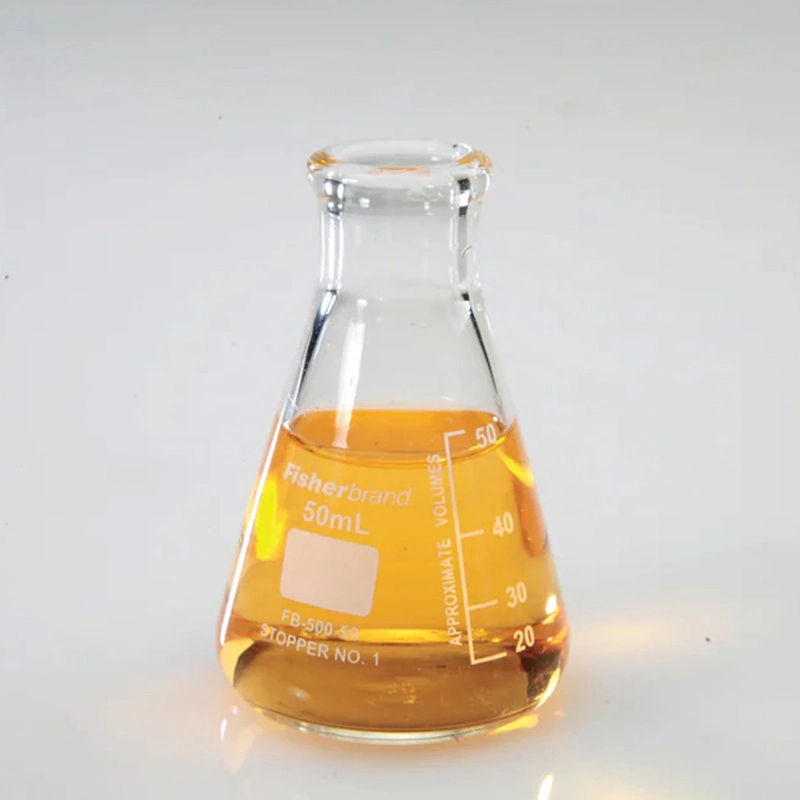
Product Description
Dimefluthrin is a synthetic pyrethroid insecticide identified by CAS number 271241-14-6. Its molecular formula is C₁₉H₂₂F₄O₃, and its molecular weight is approximately 374.37 g/mol. The compound contains a fluorinated aromatic group linked to a cyclopropanecarboxylate structure, which distinguishes it from other active ingredients in the pyrethroid family.
Dimefluthrin is primarily associated with household and public-health insect-control formulations, particularly products developed for mosquito management. As with other pyrethroid insecticides, its biological activity is related to effects on insect nervous-system function. The performance of a finished product, however, depends on the active-ingredient concentration, formulation design, delivery method, target insect, and conditions of use.
For manufacturers, Dimefluthrin should be evaluated as a formulation-specific active ingredient rather than as a universally interchangeable insecticide. The selection of a carrier system and other formulation components may affect dispersion, release behavior, stability, and overall product performance. Compatibility and efficacy should therefore be established using the intended formulation and appropriate testing methods.
The material is supplied for further formulation or chemical use according to the grade offered by the supplier. Buyers should not assume that technical material, analytical reference material, and a finished consumer insecticide have the same specifications or are suitable for the same uses. The intended product type, target market, and applicable regulatory status must be confirmed before commercial use.
When purchasing Dimefluthrin, pay particular attention to the stated assay, impurity profile, physical form, packaging, and storage conditions. The identity and composition of the supplied material should be supported by batch documentation. Because Dimefluthrin may present environmental hazards, handling, containment, and waste management should follow the product-specific SDS and the requirements applicable to the destination market.
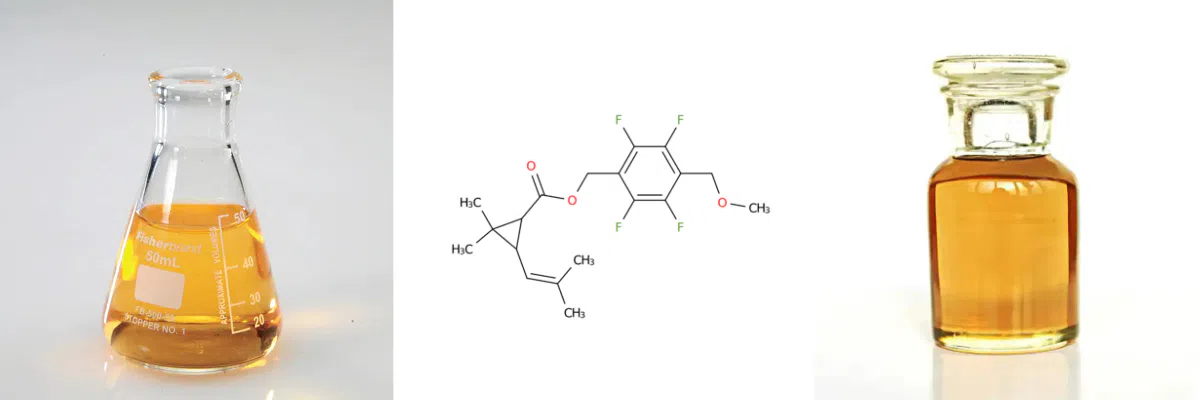
Dimefluthrin Chemical Properties
| Property | Details |
|---|---|
| Product Name | Dimefluthrin |
| CAS Number | 271241-14-6 |
| Molecular Formula | C₁₉H₂₂F₄O₃ |
| Molecular Weight | Approximately 374.37 g/mol |
| Chemical Class | Synthetic pyrethroid insecticide |
| IUPAC Name | [2,3,5,6-Tetrafluoro-4-(methoxymethyl)phenyl]methyl 2,2-dimethyl-3-(2-methylprop-1-enyl)cyclopropane-1-carboxylate |
| Physical Form | Reported as a solid for some commercial and analytical grades; verify the actual supplied form |
| Solubility | Reported soluble in methanol, DMSO, and benzene; check compatibility with the intended formulation system |
| Boiling Point | Approximately 352°C as a predicted/reference value; not a substitute for measured batch data |
| Density | Published values are inconsistent or estimated; obtain grade-specific data if required for formulation calculations |
| Storage | Some references recommend sealed, dry storage at 2–8°C; follow the actual supplier's label and SDS |
| Primary Function | Insecticidal active ingredient |
| Typical Product Context | Selected mosquito-control and household insecticide formulations |
| Environmental Consideration | May pose long-term hazards to aquatic life; prevent release into drains, soil, and surface water |
Product Applications
1. Mosquito-Control Formulations
Dimefluthrin is used in selected formulations intended for mosquito control. Its suitability depends on the product design, target species, delivery system, concentration, and the registration requirements of the destination market.
2. Household Insecticide Products
The active ingredient may be used in certain household insect-control products, including formulations designed for indoor use. The approved application sites, exposure conditions, and user instructions must be established by the finished product's evaluation and label.
3. Mosquito-Coil and Similar Delivery Systems
Dimefluthrin is associated with some mosquito-control formulations that release an active ingredient through a specific delivery system. Compatibility with the carrier matrix, release behavior, stability, and efficacy should be assessed for the exact product design.
4. Insecticide Formulation Development
Manufacturers can evaluate Dimefluthrin when developing or optimizing a permitted insecticide formulation. Key technical considerations include assay, dispersion or dissolution behavior, storage stability, packaging compatibility, and performance under the intended conditions of use.
5. Public-Health Pest-Control Product Development
Dimefluthrin may be considered in the development of selected pest-control products for indoor or other approved environments. Product claims and use directions must be supported by relevant efficacy data and comply with local pesticide regulations.
6. Analytical Testing and Quality Control
Appropriate analytical-grade material or validated reference standards can support method development, identification, and quality-control testing. Buyers should distinguish analytical standards from technical active ingredient intended for formulation manufacturing.

FAQ
Q1: What is Dimefluthrin CAS 271241-14-6?
Dimefluthrin is a synthetic pyrethroid insecticide with the molecular formula C₁₉H₂₂F₄O₃ and a molecular weight of approximately 374.37 g/mol.
Q2: What is Dimefluthrin commonly used for?
It is associated with selected mosquito-control and household insecticide formulations. Specific uses depend on the finished product, local authorization, and approved label directions.
Q3: Is Dimefluthrin the same as a finished mosquito-control product?
No. Dimefluthrin is an active ingredient or supplied chemical material. A finished product includes a specific formulation and must meet the applicable safety, efficacy, and regulatory requirements.
Q4: What should buyers check before purchasing Dimefluthrin?
Verify the CAS number, grade, assay, impurity profile, batch COA, storage requirements, packaging, and SDS. For formulation manufacturing, also assess compatibility with the intended carrier and delivery system.
Q5: How should Dimefluthrin be stored?
Follow the storage conditions specified for the exact supplied grade. Some references indicate sealed, dry storage at 2–8°C, but the supplier's current label and SDS take precedence.
Q6: Are there environmental precautions for Dimefluthrin?
Yes. Published hazard information identifies potential long-term risks to aquatic life. Prevent spills and uncontrolled release, and manage residues and waste according to the SDS and applicable regulations.


