

Product Description
PPS, chemically named 3-(1-Pyridinio)-1-propanesulfonate, is an organic zwitterionic compound containing a pyridinium group and a sulfonate group within the same molecule. It is also described as pyridinium propyl sulfobetaine. The compound has the molecular formula C8H11NO3S and a molecular weight of approximately 201.24 g/mol.
PPS is primarily associated with specialty chemical formulations, particularly nickel electroplating additive systems. In these applications, it may be used as a functional component or an intermediate for preparing plating additives. Its contribution to coating brightness and surface leveling depends on the formulation as a whole, including bath chemistry, concentration, temperature, and operating conditions.
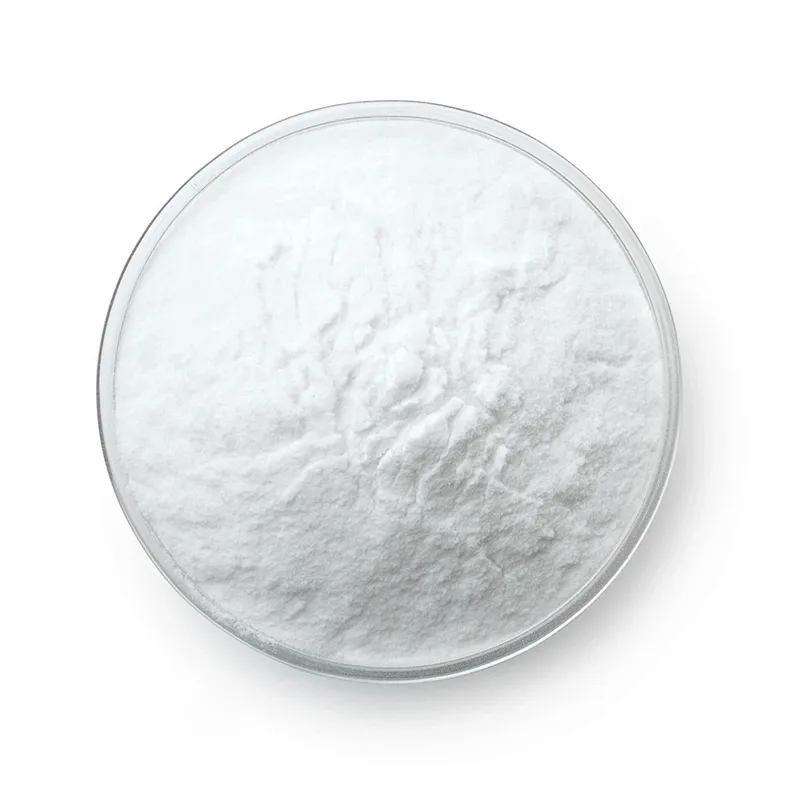
The material is commonly described as a white solid or crystalline powder. Solubility, solution clarity, moisture content, and assay should be checked against the actual product specification, because these parameters may vary with grade and test method.
For purchasing and formulation development, confirm that the product is specifically identified as CAS 15471-17-7. The abbreviation PPS alone can refer to different materials in other chemical contexts, so the CAS number and full chemical name should appear together on purchasing documents. If the intended application is pharmaceutical or another regulated use, obtain the relevant grade documentation and verify suitability against the requirements of the destination market before use.
Chemical Properties
| Property | Details |
|---|---|
| Product Name | PPS |
| Chemical Name | 3-(1-Pyridinio)-1-propanesulfonate |
| CAS Number | 15471-17-7 |
| Molecular Formula | C8H11NO3S |
| Molecular Weight | Approximately 201.24 g/mol |
| Chemical Class | Pyridinium sulfonate inner salt; zwitterionic compound |
| Common Synonyms | Pyridinium Propyl Sulfobetaine; 1-(3-Sulfopropyl)pyridinium |
| Appearance | Commonly described as a white solid or crystalline powder; confirm supplied grade |
| Solubility | Water solubility is reported; verify the required concentration and test conditions for the intended formulation |
| Melting Point | Published values are approximately 275–280°C; decomposition behavior and test method should be considered |
| Primary Application Area | Nickel electroplating additive formulations and related specialty chemical applications |
| Storage | Keep in a tightly closed container in a cool, dry place, following the supplied safety and storage documentation |
| Quality Verification | Review assay, identification, moisture, appearance, and other agreed specification parameters |
Product Applications
1. Nickel Electroplating Additive Formulations
PPS is used in nickel electroplating chemistry as a functional component associated with brightener and leveling systems. Its performance should be evaluated within the complete plating bath rather than in isolation.
2. Development of Plating Brightener Intermediates
The compound can serve as a starting material or intermediate in the preparation of selected plating additives. Process developers should assess reaction conditions, material purity, and compatibility with the intended synthesis route.
3. Surface-Finishing Process Development
PPS may be evaluated during the development or optimization of metal surface-treatment formulations. Suitability depends on substrate requirements, electrolyte composition, operating conditions, and the desired coating characteristics.
4. Specialty Chemical Formulation Research
Its defined pyridinium-sulfonate structure makes PPS relevant to laboratory evaluation of functional ingredients for selected chemical systems. Research use should be based on documented identity, purity, and appropriate handling procedures.
5. Analytical and Quality-Control Work
PPS can be used as a test material in method development and quality-control studies related to its intended chemical application. Reference standards, sample preparation, and acceptance criteria should be selected according to the analytical method being used.

FAQ
Q1: What is PPS with CAS 15471-17-7?
PPS is 3-(1-Pyridinio)-1-propanesulfonate, an organic zwitterionic compound also known as pyridinium propyl sulfobetaine.
Q2: What are the molecular formula and molecular weight of PPS?
The molecular formula is C8H11NO3S, and the commonly reported molecular weight is approximately 201.24 g/mol.
Q3: What is PPS mainly used for?
Its principal documented industrial application is in nickel electroplating additive systems, including formulations associated with brightening and leveling. Specific performance depends on the overall formulation and operating conditions.
Q4: Is PPS the same as polystyrene sulfonate?
No. The abbreviation PPS can be ambiguous, but CAS 15471-17-7 identifies 3-(1-Pyridinio)-1-propanesulfonate, not polystyrene sulfonate. Use the full chemical name and CAS number when specifying the material.
Q5: What should be checked before purchasing PPS?
Confirm the CAS number, assay, appearance, moisture content, solubility requirements, packaging, and storage instructions. Request a current Certificate of Analysis (COA) and product specification for the supplied grade.
Q6: Can this PPS be used as a pharmaceutical raw material?
The CAS identity alone does not establish pharmaceutical suitability. Before considering regulated use, verify the intended grade, manufacturing and quality documentation, applicable standards, and regulatory requirements for the target application and market.


