

Product Description
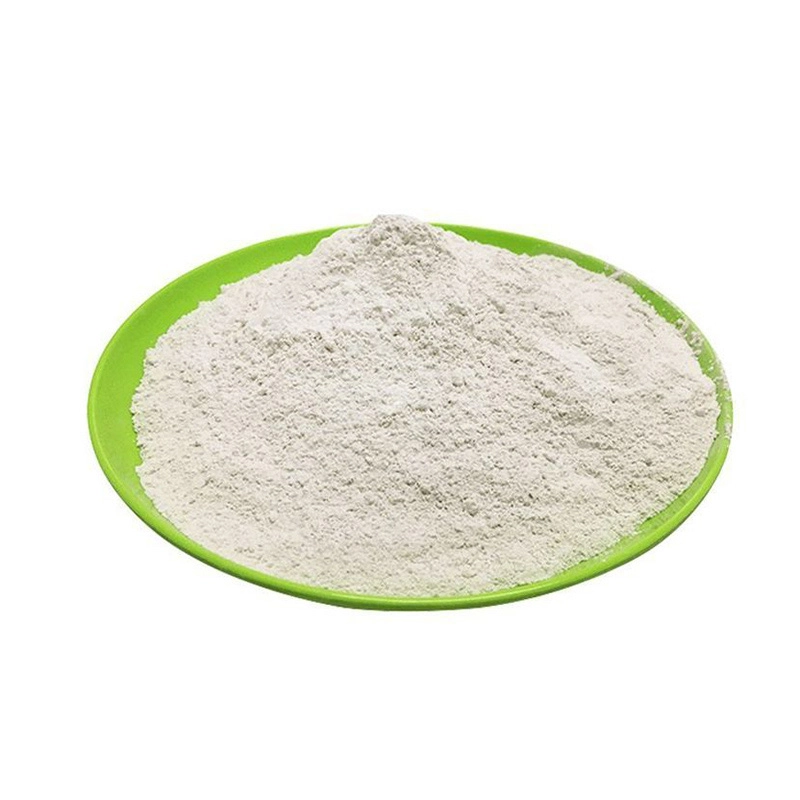
Calcium Oxide (CaO), commonly known as Quicklime or Burnt Lime, is an inorganic alkaline compound produced by heating limestone or other calcium carbonate materials to drive off carbon dioxide. With CAS number 1305-78-8 and a molecular weight of approximately 56.08 g/mol, it is an important raw material for agricultural and industrial applications.
Calcium Oxide is typically a white to gray solid supplied as lumps, granules, or powder. Its defining chemical characteristic is its reaction with water, which releases considerable heat and forms calcium hydroxide. This reaction makes quicklime useful in processes that require rapid alkalinity development, but it also means the material must be handled with appropriate moisture control and protective equipment.
In agriculture, Calcium Oxide may be used for soil acidity management and other approved soil-treatment purposes. Its suitability depends on the initial soil pH, soil composition, crop requirements, application method, and local agricultural regulations. It should not be applied at an arbitrary rate, as excessive alkalinity can adversely affect nutrient availability and plant growth.
Industrial applications include metallurgical processing, construction-material production, selected water-treatment processes, and the manufacture of other calcium compounds. Because performance depends on available CaO content, particle size, reactivity, and impurities, buyers should select a specification suited to their process rather than relying on the product name alone.
Calcium Oxide Chemical Properties
| Property | Details |
|---|---|
| Product Name | Calcium Oxide |
| CAS Number | 1305-78-8 |
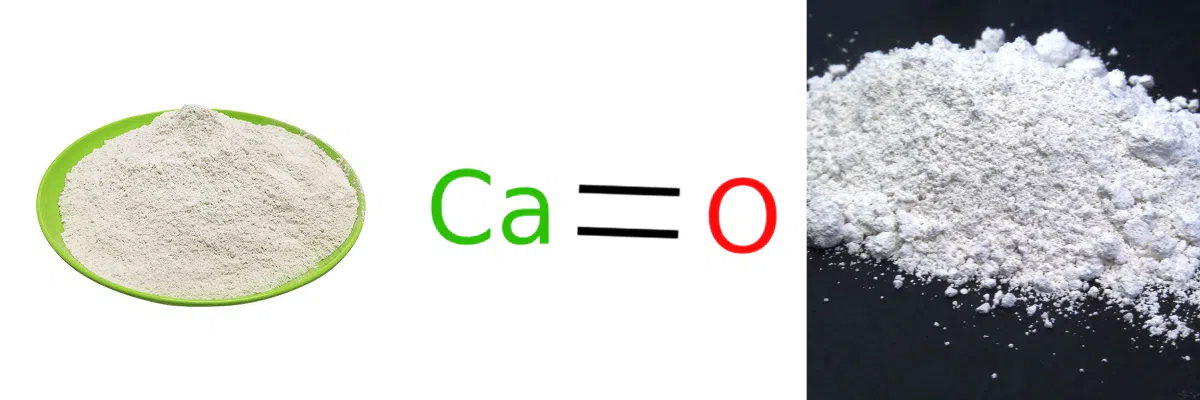
| Chemical Formula | CaO |
| Molecular Weight | 56.08 g/mol |
| Common Names | Quicklime, Burnt Lime, Unslaked Lime |
| Chemical Class | Inorganic alkaline oxide |
| Appearance | Typically white to gray solid; supplied as powder, granules, or lumps |
| Odor | Odorless |
| Melting Point | Approximately 2,570–2,613°C, depending on reference |
| Boiling Point | Approximately 2,850°C under reported conditions |
| Density | Approximately 3.34 g/cm³ |
| Water Behavior | Reacts with water to form calcium hydroxide and release heat |
| Alkalinity | Strongly alkaline after hydration |
| Solubility in Water | Does not simply dissolve unchanged; reacts with water |
| Main Reactivity | Reacts with moisture and acids; acid neutralization releases heat |
| Storage | Keep tightly sealed in a dry, moisture-resistant container and protect from humid air |
Handling and storage note: Calcium Oxide can absorb moisture and carbon dioxide from air, changing its composition and reactivity during storage. Keep the material dry and separate from water, incompatible acids, and moisture-sensitive process materials. During transfer or dosing, control airborne dust and use suitable eye, skin, and respiratory protection in accordance with the product SDS.
Product Applications
1. Agricultural Soil Acidity Management
Calcium Oxide can be used in selected agricultural soil-treatment programs where a rapidly reactive alkaline material is appropriate. Application decisions should be based on soil testing, crop needs, local recommendations, and applicable regulations.
2. Fertilizer and Agricultural Material Processing
Quicklime may serve as a processing raw material in certain agricultural and fertilizer-related operations. The appropriate grade depends on the process specification, impurity limits, and required reactivity.
3. Water and Wastewater Treatment
Calcium Oxide can be used in suitable treatment processes to raise pH and support precipitation or other chemical treatment steps. Process operators should account for its heat-generating hydration reaction and the alkalinity of the resulting material.
4. Metallurgy and Metal Processing
In metallurgical operations, Calcium Oxide is used as a flux and to help combine certain impurities into slag. Its required purity and particle characteristics depend on the specific furnace and process.
5. Construction Materials and Chemical Manufacturing
Calcium Oxide is a raw material for producing calcium hydroxide and other calcium-based products. It is also used in selected construction-material processes and other industrial operations requiring reactive lime.

FAQ
Q1: What is Calcium Oxide commonly called?
Calcium Oxide is commonly known as Quicklime or Burnt Lime. Its chemical formula is CaO, and its CAS number is 1305-78-8.
Q2: Is Calcium Oxide soluble in water?
Calcium Oxide reacts with water to form calcium hydroxide and release heat. It should not be treated as a substance that simply dissolves without a chemical reaction.
Q3: What is Calcium Oxide used for in agriculture?
It can be used in selected soil-treatment applications, including soil acidity management. The appropriate material and application rate depend on soil analysis, crop requirements, and local agricultural guidance.
Q4: How should Calcium Oxide be stored?
Store it in a tightly closed, moisture-resistant container in a dry, well-controlled area. Protect it from water and humid air because moisture exposure can initiate the hydration reaction.
Q5: What should buyers check before ordering Calcium Oxide?
Confirm the available CaO content, particle-size distribution, moisture level, impurity limits, packaging, and intended application. For agricultural use, also check relevant local requirements and whether the offered grade is suitable for the intended soil-treatment program.


